|
Herbalife Independent Distributor |
|
Email: On-Line Order: Herbalife SMS/WhatsApp: 9173-2369 |
 |
Next Part : Meal Replacement Diets >> |
Ornish Diet - Diets Demystified
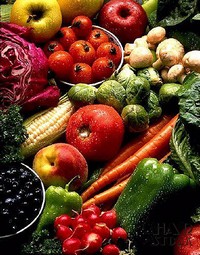 What: Plant-based vegetarian diet that is low in fat and high in
complex carbohydrates and fibre. Created by cardiologist Dr Dean Ornish, he
suggests that individuals consume less than 10 per cent of their energy intake
from fat as it is the culprit for weight gain. It excludes dietary cholesterol
and saturated fat, animal products (except egg whites and non-fat dairy
products), nuts, seeds, avocados, chocolate, olive and coconuts. Oils are
eliminated except for some canola oil for cooking, and oil that supplies omega-3
essential fatty acids.
What: Plant-based vegetarian diet that is low in fat and high in
complex carbohydrates and fibre. Created by cardiologist Dr Dean Ornish, he
suggests that individuals consume less than 10 per cent of their energy intake
from fat as it is the culprit for weight gain. It excludes dietary cholesterol
and saturated fat, animal products (except egg whites and non-fat dairy
products), nuts, seeds, avocados, chocolate, olive and coconuts. Oils are
eliminated except for some canola oil for cooking, and oil that supplies omega-3
essential fatty acids.
The Ornish diet also prohibits caffeine but allows a moderate intake of alcohol, sugar and salt. There is no restriction on calorie intake, only on food types.
Is meat essential to a person’s diet?
Meat isn’t essential. A well-planned vegetarian diet has been consistently
found to provide the full range of protein, essential fatty acids, vitamins,
minerals and fibre necessary for optimal nutrition. Since
vegetarian diets are generally high in fibre, low in cholesterol and saturated
fats, they may actually be healthier than most meat-based diets, leading to a
lower risk of obesity, heart disease, high blood pressure and diabetes.
Lacto-vegetarians (those who consume dairy foods) and lactoovo vegetarians
(those who take dairy food and eggs) can get a lot of essential nutrients from
dairy and milk products. Vegans (those who
exclude all foods of animal origin, including eggs and dairy), however, may lack
several essential nutrients in their diet like vitamin B12, iron, zinc and
calcium as they eat only food of plant origin. They need foods fortified with
these nutrients.
Fat consumption is restricted to less than 10 per cent of the daily calorie intake. This is much lower than the national recommendation of 30 per cent.
Fats play a vital role in maintaining healthy skin and hair, insulating body
organs against shock, maintaining body temperature and promoting healthy cell
function. They also serve as energy stores for the body. Fats are also an
essential source of fatty acids and help our body absorb fat-soluble vitamins A,
D, E and K. The current recommendation of less than 30 per cent fat from daily
caloric intake is intended to meet basic essential fatty acid (EFA) requirements
which range from three to five per cent of caloric intake. It also includes an
allowance of 10 per cent of total calories from saturated fat, 10 per cent from
monounsaturated fats and 10 per cent from polyunsaturated fats.
Who are unsuitable for the Ornish diet?
Elderly, pregnant women and people with eating disorders should not attempt a
very low fat diet. Those with insulin-dependent diabetes mellitus, elevated
triglyceride levels and fat mal-absorption are also
unsuitable.
Advantages
- Very low on fat and high on complex carbohydrates.
- Generally follows healthy principles of eating high fibre and low fat foods, and adequate exercise to help burn excess calories.
- According to Anderson et al (1), one could postulate that long-term use of the Ornish diet is likely to decrease serum cholesterol concentrations by about 32 per cent and hence decrease risk of coronary heart disease by over 60 per cent.
Disadvantages
- Restrictive due to extremely low fat content. Difficult to adhere to unless one’s a vegetarian.
- Long term sustained weight loss is unlikely as calorie intake is not restricted. This makes it easy for a person on this diet to consume even more calories than needed.
Weight-loss results are not typical, individual results will vary.